Service 1 Image
Rendering

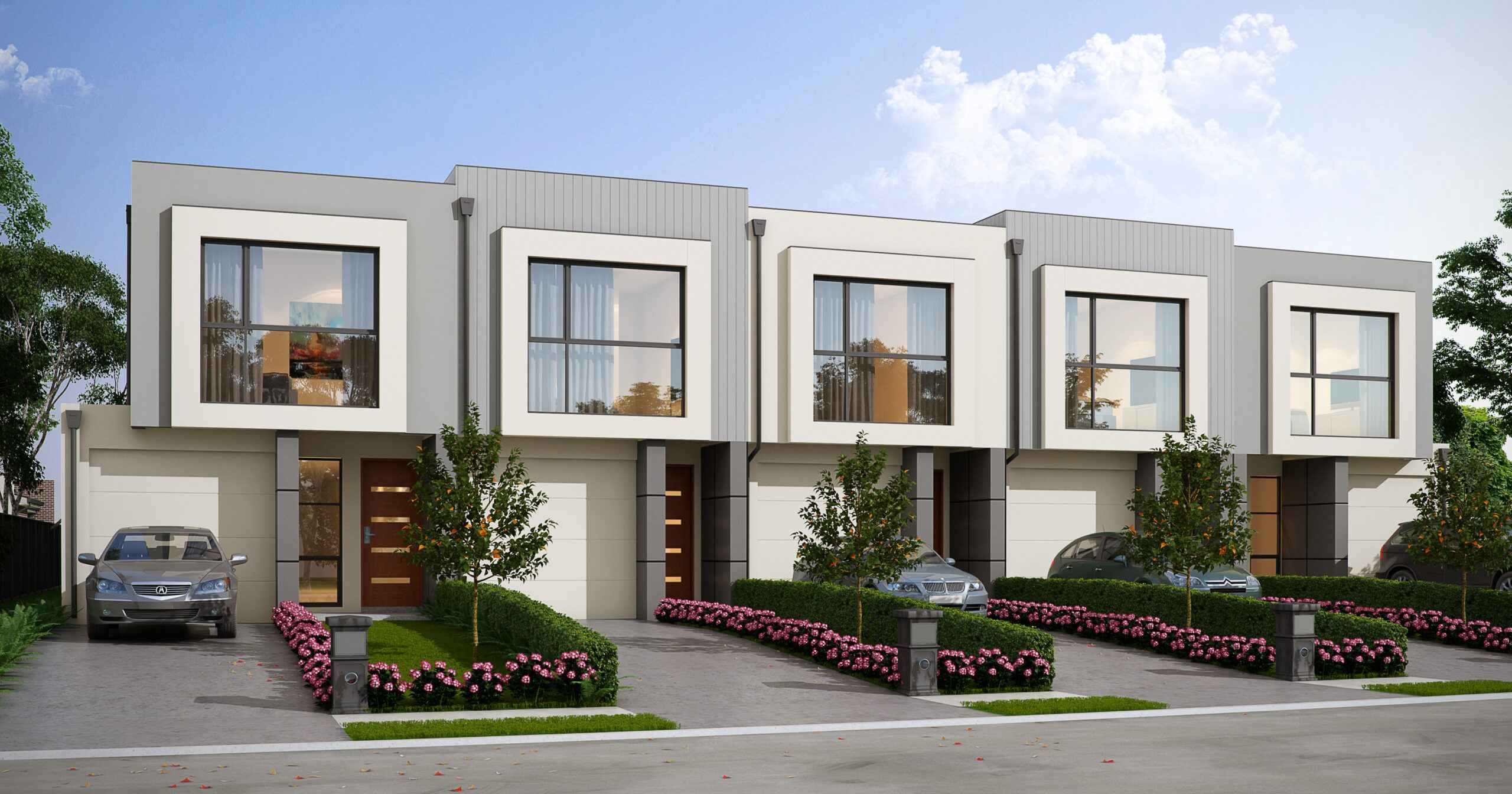
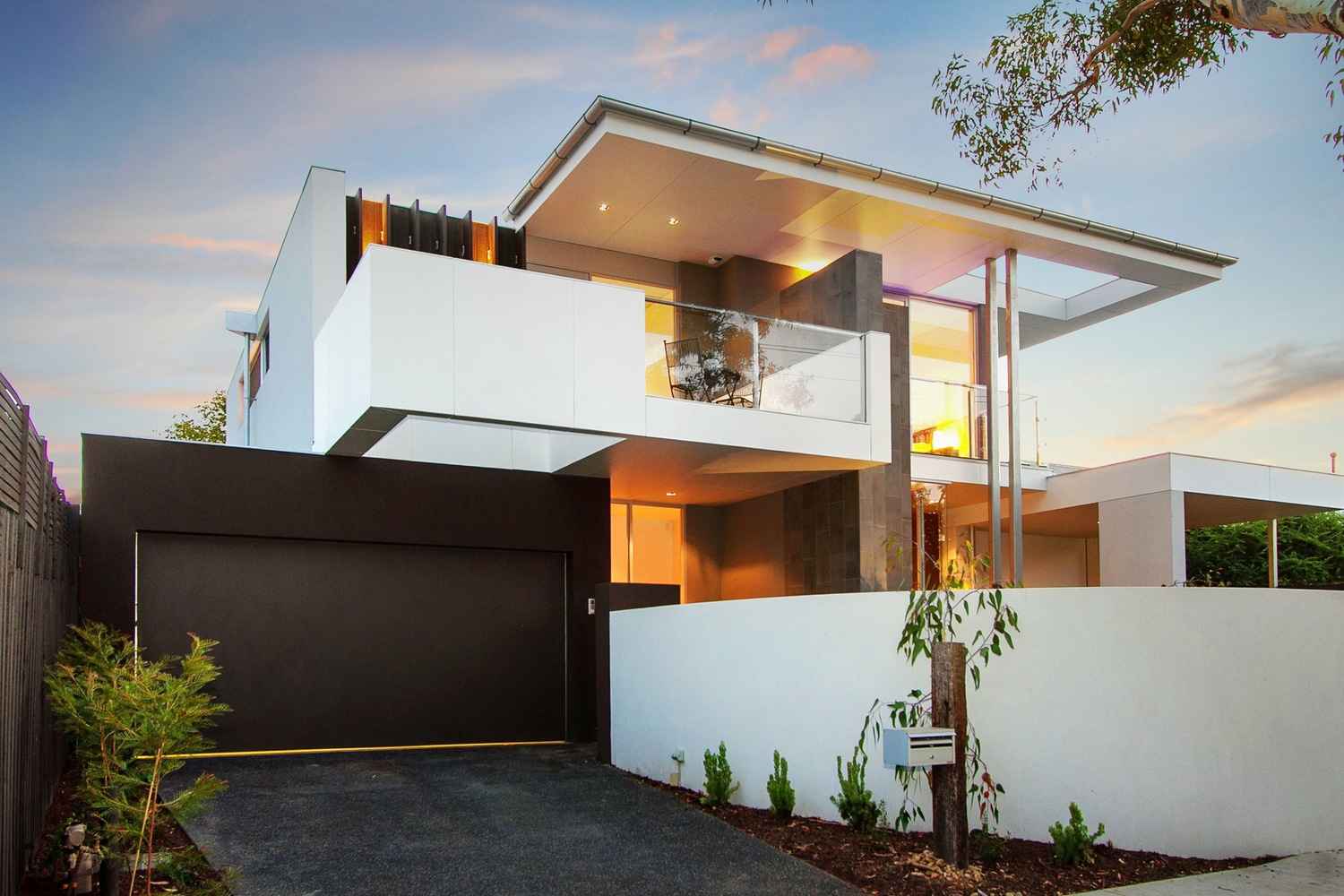
Rendering is a vital aspect of modern construction and renovation, offering a versatile and aesthetically pleasing solution for both residential and commercial properties. It is the process of applying a layer of material to the exterior or interior walls, transforming their appearance, and providing a protective and insulating barrier. One of the primary benefits of rendering is its ability to enhance the visual appeal of a structure. With a wide range of textures, colors, and finishes available, rendering allows for creative customization. Whether you're aiming for a sleek, contemporary look or a traditional, rustic appearance, rendering can help achieve your desired aesthetics. The transformation is not limited to the exterior; interior rendering can also create stunning accent walls and surfaces that reflect your personal style.

Beyond aesthetics, rendering also plays a crucial role in protecting your property. Exterior rendering acts as a shield against the elements, protecting the underlying structure from moisture, extreme temperatures, and other environmental factors. This protection extends the life of your building and minimizes the need for costly maintenance and repairs. In addition to protection, rendering offers excellent insulation properties. Depending on the type of rendering material used, it can improve a building's thermal efficiency, helping to regulate indoor temperatures and reduce energy consumption. This not only contributes to a more comfortable living or working environment but also leads to cost savings on heating and cooling bills.
Service-2
Cement Rendering,

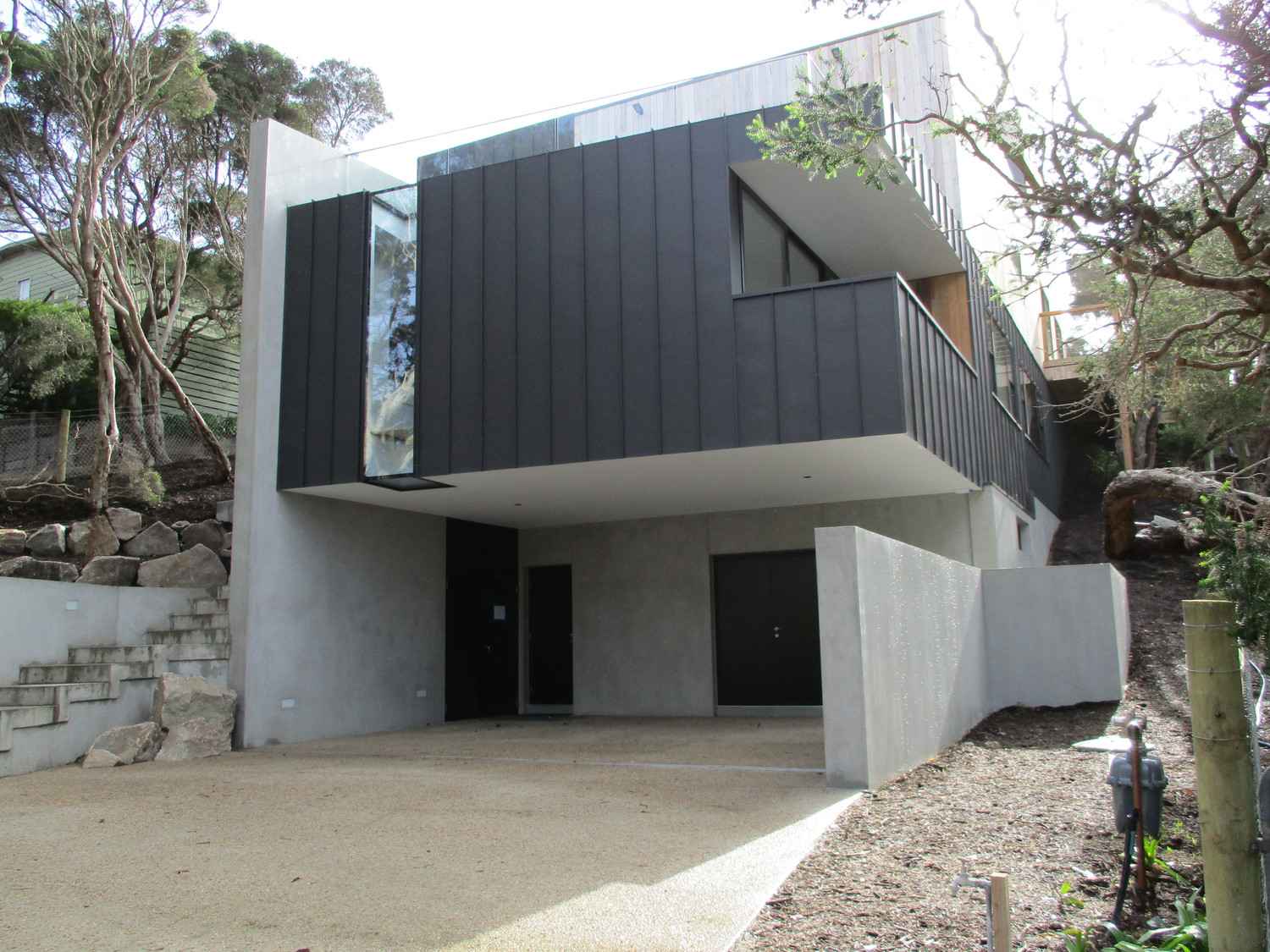
Cement rendering is a robust and versatile construction technique widely used for both residential and commercial properties. It involves the application of a mixture of cement, sand, and often lime to a building's exterior or interior surfaces, creating a solid, durable, and visually appealing finish. One of the primary advantages of cement rendering is its exceptional strength and resilience. The cement mixture creates a tough, weather-resistant surface that can withstand harsh environmental conditions, making it ideal for exterior applications. This strength ensures that your property's façade remains protected from moisture, temperature fluctuations, and general wear and tear, which, in turn, extends the life of the building and reduces maintenance costs.

Additionally, cement rendering offers great versatility in terms of design and aesthetics. You can choose from a wide range of textures and finishes to match your architectural style or personal preferences. Whether you want a smooth, modern look or a textured, rustic appearance, cement rendering can be customized to meet your vision. Another significant benefit of cement rendering is its thermal properties. When combined with the right insulation materials, it can enhance a building's energy efficiency by regulating indoor temperatures. This not only improves comfort but also results in cost savings on heating and cooling bills.
Service-3
Acrylic Rendering

Acrylic rendering is a modern and popular method of enhancing the appearance and durability of both residential and commercial structures. It involves the application of a mixture that typically includes acrylic, cement, and other additives to a building's exterior or interior surfaces, creating a finish that is not only visually appealing but also highly resilient. One of the key advantages of acrylic rendering is its flexibility and adaptability. Acrylic-based render can be applied to various substrates, including masonry, concrete, and fiber cement, making it a versatile choice for both new construction and renovations. Its flexibility allows for a wide range of textures and finishes, giving property owners the creative freedom to achieve their desired look, whether it's a smooth, contemporary façade or a textured, rustic appearance.

Acrylic rendering stands out for its exceptional weather resistance and long-term durability. It forms a strong protective barrier against moisture, UV rays, and temperature fluctuations. This level of protection not only preserves the building's structural integrity but also minimizes maintenance and repair costs over time. The insulation properties of acrylic rendering are another notable benefit. When combined with appropriate insulation materials, it can improve a building's energy efficiency by helping to regulate indoor temperatures. This results in a more comfortable living or working environment and reduced energy expenses.

Service-4
Plastering

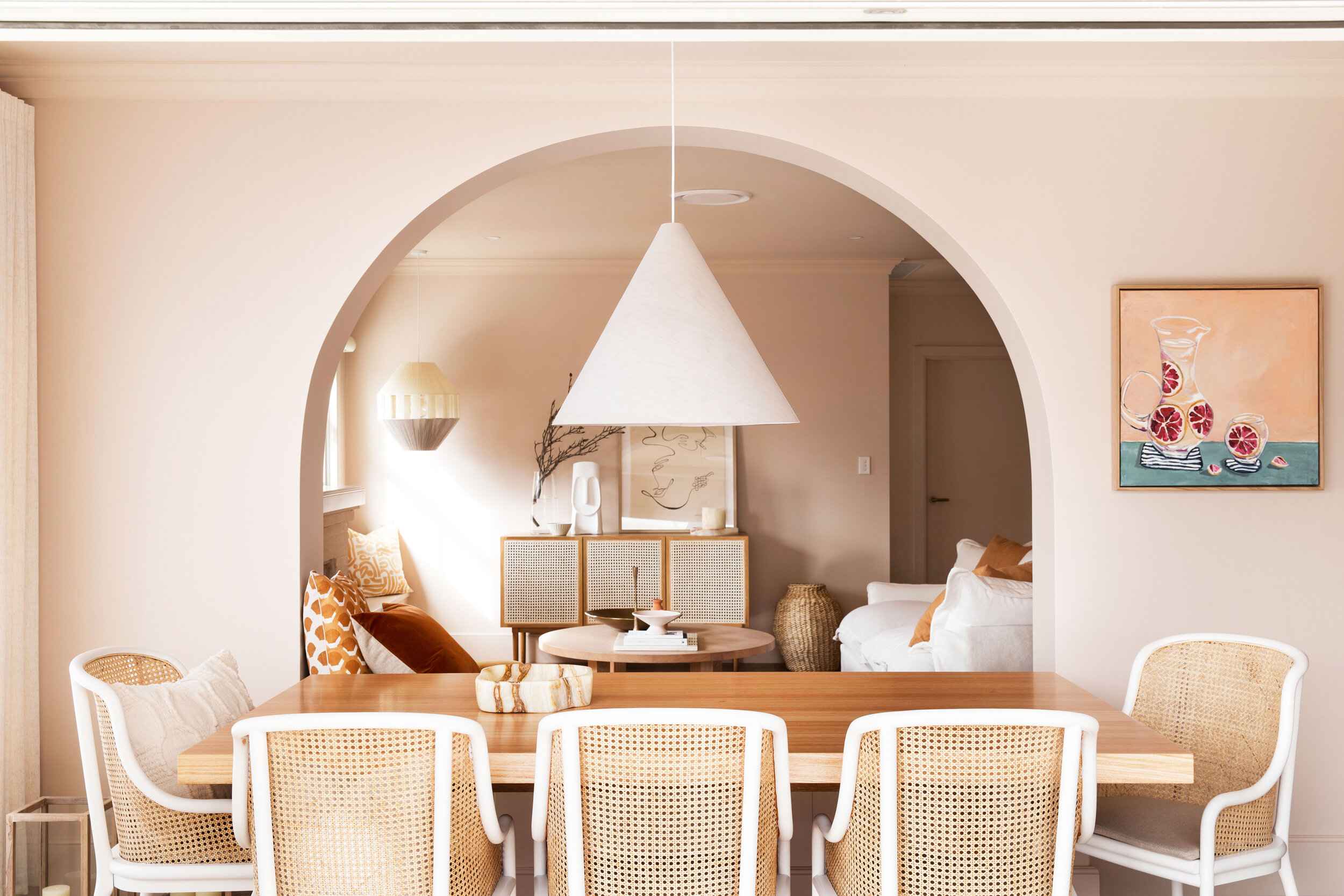
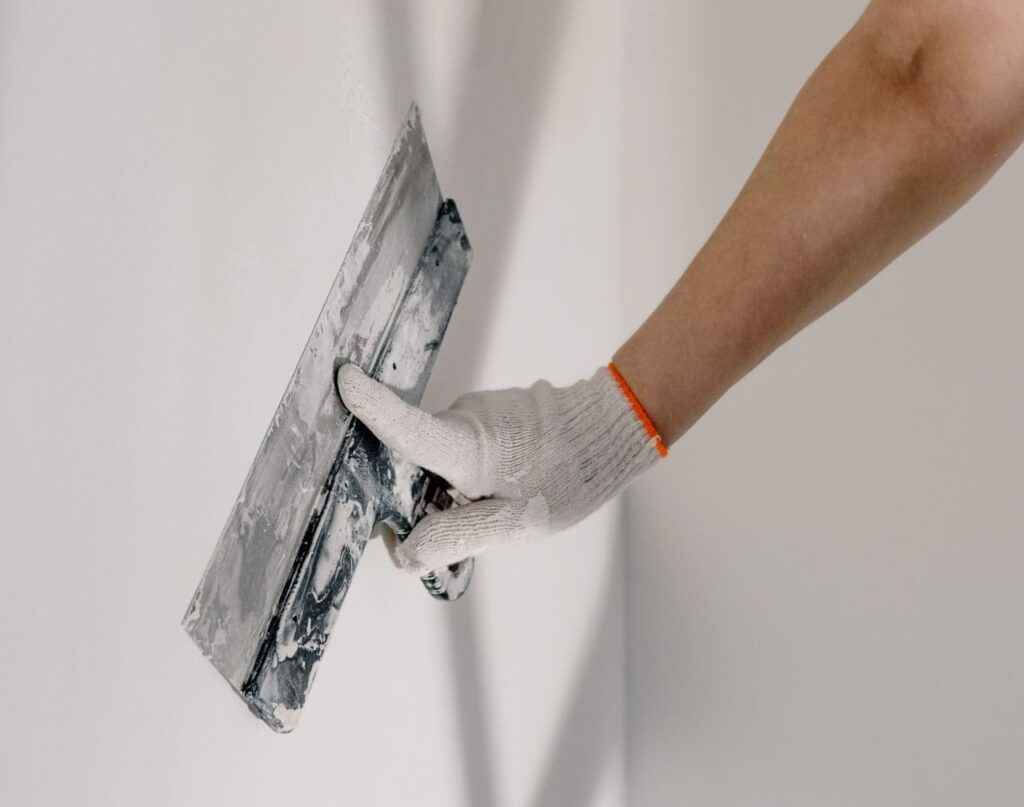
Plastering is a traditional and time-tested technique used in construction and interior finishing to create smooth, even, and visually appealing surfaces on walls and ceilings. It involves the application of a plaster compound over various substrates, which is then carefully smoothed and finished to achieve a flawless look. One of the primary benefits of plastering is its ability to produce a clean, elegant finish. Plaster creates surfaces that are not only smooth but also offer a level of sophistication that complements any interior design. It serves as an excellent canvas for paint, wallpaper, or decorative finishes, allowing homeowners and businesses to achieve their desired aesthetic goals.

Plastering is highly versatile, adaptable to different architectural styles, and compatible with a variety of substrates, including drywall, wood, and masonry. This versatility makes it suitable for a wide range of projects, from historic restorations to modern interiors. Plaster can also be used to repair and cover imperfections on existing walls and ceilings, breathing new life into tired spaces. Beyond its aesthetic appeal, plastering also contributes to the overall durability and longevity of a structure. When professionally applied, plaster can improve the structural integrity of walls and ceilings, providing enhanced resistance to cracks and other forms of damage.

Service-5
Solid Wall

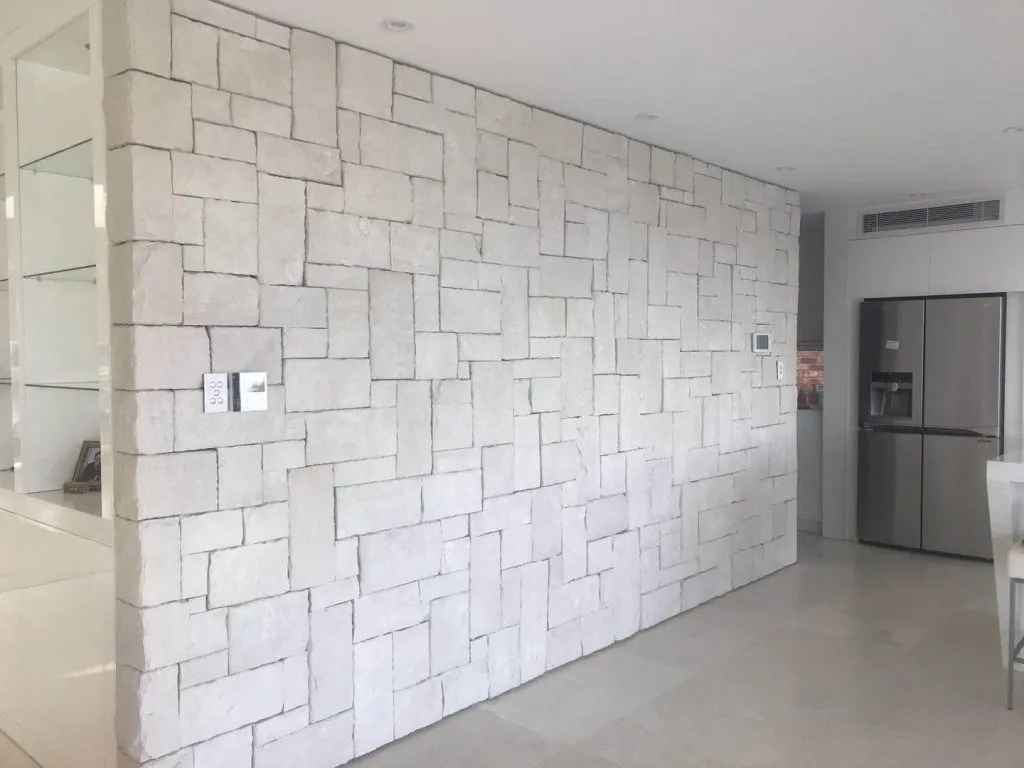
Solid wall construction is a traditional and enduring method of building exterior walls that involves stacking or bonding materials like bricks, stones, or concrete blocks. These solid walls provide robust structural support and insulation for both residential and commercial structures. This construction technique offers several advantages. One of the primary benefits of solid wall construction is its exceptional strength and durability. Solid walls can withstand the test of time and offer strong resistance to various environmental factors. This durability ensures that the building remains structurally sound for decades, reducing the need for extensive maintenance and repair work.

Solid walls also provide excellent thermal insulation. The thickness and density of the wall materials create a natural barrier against temperature fluctuations, helping to maintain a comfortable indoor climate. This energy-efficient quality can result in cost savings on heating and cooling expenses. Additionally, solid wall construction offers sound insulation benefits. The dense materials used in this method reduce the transmission of noise from the outside, creating a quieter living or working environment. This is particularly valuable for properties located in noisy urban areas.

Service-6
Gyprock

Gyprock installation is a modern and widely-used method for creating smooth and even interior walls and ceilings. Gyprock, also known as drywall or plasterboard, is a sheet material made from gypsum plaster sandwiched between layers of paper. It offers several advantages for residential and commercial properties. One of the primary benefits of Gyprock is its efficiency. It is easy to work with and allows for quick and cost-effective installation. This makes it an attractive choice for new construction, renovations, and interior remodels, helping to save both time and money.

Gyprock provides a smooth, uniform surface that is ideal for painting, wallpapering, or decorative finishes. Its clean and seamless appearance adds a touch of modernity to any interior. Additionally, it can be easily repaired and patched if there are any dents, holes, or imperfections. This material is also highly versatile. Gyprock sheets come in various sizes and thicknesses, making it adaptable to different design needs. It can be used to create curved walls, partitions, bulkheads, and more, allowing for creative and customized interior layouts.